

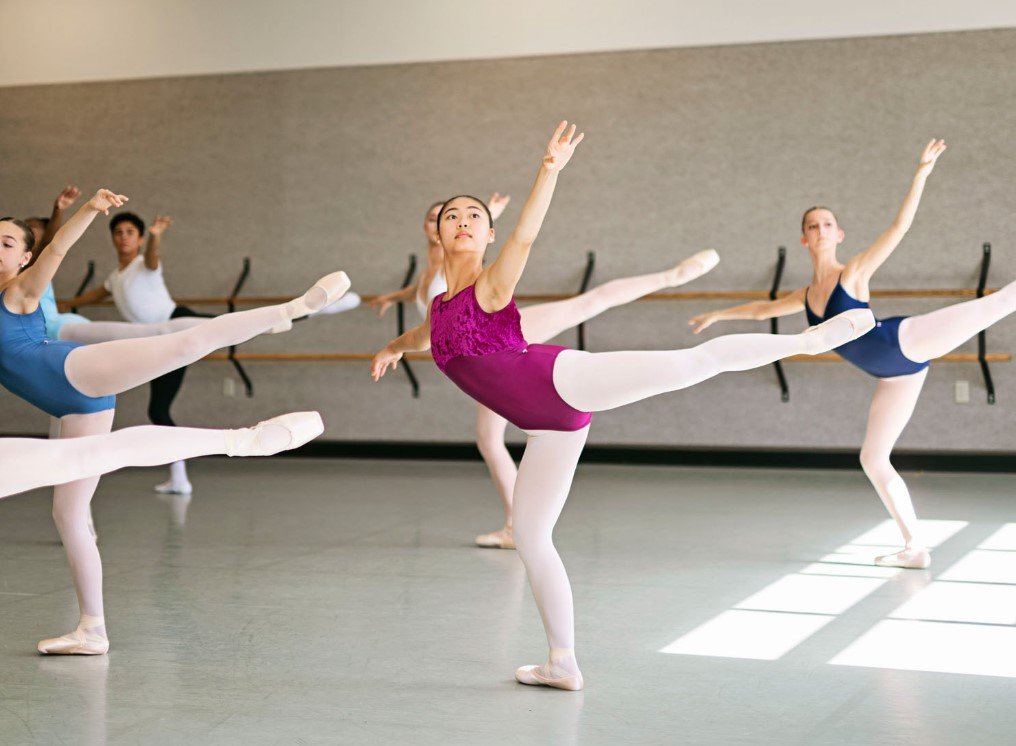
Ballet is one of the world’s most elegant and disciplined dance forms. Whether you’re taking your first ballet class, watching a professional performance, or simply exploring dance as a hobby, understanding Ballet terminology can make the experience much more enjoyable. Most ballet terms originate from the French language because France played a major role in shaping classical ballet during the 17th century.
Learning these terms may seem overwhelming at first, but with a little practice, they become second nature. This guide explains the most essential Ballet terminology in simple language so beginners can build confidence and communicate effectively in the studio.
What Is Ballet Terminology?
Ballet terminology refers to the standardized French vocabulary used to describe ballet positions, movements, steps, and techniques. These terms are recognized internationally, allowing dancers and instructors from different countries to communicate using the same language.
Instead of translating every movement into local languages, ballet schools worldwide teach the original French names. This consistency helps dancers transition between studios and even perform internationally.
Why Learning Ballet Terms Matters
Understanding ballet vocabulary offers several advantages:
- Makes it easier to follow instructor directions.
- Improves technique through proper understanding of movements.
- Helps dancers learn choreography more quickly.
- Builds confidence during classes and rehearsals.
- Allows appreciation of professional ballet performances.
Even recreational dancers benefit from mastering the basics.
The Five Basic Ballet Positions
Every beginner should first learn the five basic foot positions.
First Position
The heels touch while the toes point outward. This is one of the foundational positions used throughout ballet.
Second Position
The feet remain turned outward but are separated by about shoulder width.
Third Position
One foot is placed slightly in front of the other, with the heel touching the middle of the back foot.
Fourth Position
The feet remain turned outward while one foot is positioned several inches ahead of the other.
Fifth Position
The front heel touches the back toe, creating one of ballet’s most advanced and elegant positions.
Mastering these positions provides the foundation for nearly every ballet movement.
Essential Arm Positions
In addition to foot placement, arm positions play an important role in ballet.
Bras Bas
Arms form a gentle oval shape held low in front of the body.
First Position
Hands remain rounded in front of the torso.
Second Position
Arms extend outward with soft elbows and relaxed shoulders.
Third, Fourth, and Fifth Positions
These positions place one or both arms overhead while maintaining graceful curves.
Proper arm placement contributes to balance, posture, and artistic expression.
Common Ballet Movement Terms
Many beginner classes introduce these essential movement names.
Plié
A bending of the knees while maintaining proper turnout. Nearly every ballet combination begins with a plié.
Relevé
Rising onto the balls of the feet or pointe shoes.
Tendu
Stretching one foot along the floor until only the toes remain in contact.
Dégagé
Similar to a tendu, but the foot lifts slightly off the floor.
Rond de Jambe
A circular movement of the working leg.
Battement
A kicking action where the leg moves forward, side, or backward.
Arabesque
Standing on one leg while extending the other behind the body.
Attitude
A pose where the lifted leg remains bent instead of straight.
Passé
The working foot passes or rests near the supporting knee.
Pirouette
A controlled turn performed on one supporting leg.
These movements appear repeatedly in beginner and advanced ballet classes alike.
Ballet Jump Terminology
Jumping movements are known as allegro work.
Sauté
A simple jump that begins and lands in the same position.
Échappé
The feet jump from a closed position to an open one.
Assemblé
One foot brushes outward while the other joins it in the air before landing together.
Jeté
A leap where one foot appears to throw the body through the air.
These jumps gradually develop coordination, strength, and timing.
Important Ballet Direction Terms
Instructors often use directional vocabulary during class.
Devant
To the front.
Derrière
To the back.
À la Seconde
To the side.
En Face
Facing directly toward the audience or front of the room.
Croisé
The dancer’s body appears crossed relative to the audience.
Effacé
An open body position opposite of croisé.
Learning these directional terms helps dancers respond more quickly during combinations.
Ballet Class Etiquette Terms
Some frequently used class expressions include:
Port de Bras
The graceful movement of the arms from one position to another.
Adagio
Slow, controlled exercises emphasizing balance and extension.
Allegro
Fast combinations involving jumps and quick footwork.
Enchaînement
A connected sequence of movements performed together.
These expressions appear in nearly every ballet lesson.
Tips for Remembering Ballet Terminology
Memorizing French vocabulary becomes easier with consistent practice.
Here are several helpful strategies:
- Practice a few new terms each week.
- Watch ballet videos while identifying movements.
- Keep a ballet vocabulary notebook.
- Repeat French pronunciations aloud.
- Associate each term with its physical movement.
- Review terminology before every class.
Regular exposure makes the words feel natural over time.
Common Beginner Mistakes
Many new dancers experience similar challenges while learning Ballet terminology.
Some of the most common mistakes include:
- Confusing tendu with dégagé.
- Forgetting directional terms.
- Mixing up foot positions.
- Neglecting arm placement.
- Focusing on memorization instead of proper technique.
Remember that understanding movement quality is just as important as remembering vocabulary.
How Long Does It Take to Learn Ballet Vocabulary?
Most beginners become familiar with basic Ballet terminology after several months of consistent classes. However, professional dancers continue expanding their vocabulary throughout their careers.
Rather than trying to memorize hundreds of words at once, focus on mastering the terms used in your current lessons. As your technique develops, more advanced terminology will naturally become part of your dance education.
Conclusion
Learning Ballet terminology is one of the first steps toward becoming a confident ballet dancer. Although the French vocabulary may seem intimidating initially, every term represents a specific movement or position that becomes familiar with practice.
By understanding the five basic positions, essential movement names, directional terms, and common class expressions, beginners can participate more comfortably in ballet lessons and appreciate performances on a deeper level. Keep practicing regularly, review your vocabulary often, and remember that every experienced ballet dancer once started by learning these same foundational terms.
